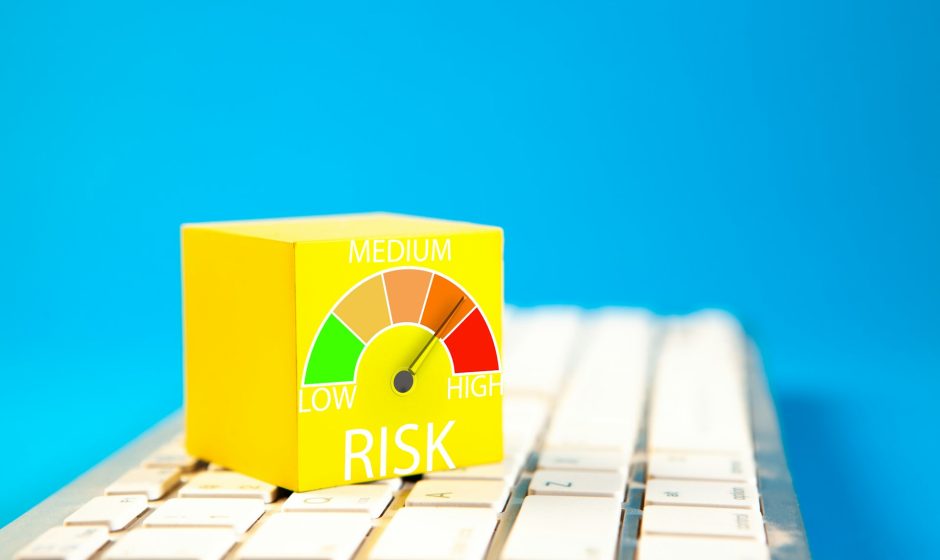

Alternate Investment Funds (AIFs) can range from relatively low risk to extremely high risk depending on the strategy, asset class, leverage, and manager. Globally, AIFs generally include private equity, venture capital, hedge funds, private credit, infrastructure funds, real estate funds, and other non-traditional investments.
Why AIFs Are Considered Riskier Than Traditional Investments
- Limited Liquidity
- Many AIFs lock investors’ money for several years.
- Unlike publicly traded stocks or mutual funds, you often cannot sell your investment quickly.
- Valuation Uncertainty
- Private companies, real estate projects, and private loans are not priced daily by the market.
- Reported values may differ from what the assets could actually sell for.
- Higher Failure Rates
- Venture capital and startup-focused funds can experience significant losses because many startups fail.
- A small number of successful investments often generate most of the returns.
- Manager Risk
- Performance depends heavily on the skill of the fund manager.
- Poor investment decisions can result in substantial losses.
- Leverage Risk
- Some hedge funds and private equity funds borrow money to amplify returns.
- Leverage increases both gains and losses.
- Economic Sensitivity
- Real estate, private credit, and buyout funds can suffer during recessions, rising interest-rate periods, or credit crises.
- Transparency Issues
- AIFs generally disclose less information than publicly traded funds.
- Investors may have limited visibility into holdings and risks.
Relative Risk Levels by AIF Type
| AIF Type | Typical Risk |
|---|---|
| Infrastructure Funds | Low to Medium |
| Core Real Estate Funds | Low to Medium |
| Private Credit Funds | Medium |
| Private Equity Buyout Funds | Medium to High |
| Hedge Funds | Medium to High |
| Distressed Debt Funds | High |
| Venture Capital Funds | High |
| Early-Stage Startup Funds | Very High |
Potential Advantages
- Higher return potential than traditional stocks and bonds.
- Access to private markets unavailable to most investors.
- Portfolio diversification.
- Lower correlation with public stock markets in some cases.
Major Global Risks Seen Historically
- Hedge fund failures during financial crises.
- Venture capital funds losing most investments during technology downturns.
- Real estate funds suffering during property market crashes.
- Private equity funds facing difficulties during credit crunches.
- Private credit funds experiencing defaults during recessions.
Risk Rating (Generalized)
| Investment Type | Risk Level |
|---|---|
| Government Bonds | Very Low |
| Investment-Grade Bonds | Low |
| Broad Stock Index Funds | Medium |
| Real Estate Investment Trusts (REITs) | Medium |
| Most AIFs | Medium to High |
| Venture Capital AIFs | High |
| Highly Leveraged Hedge Funds | Very High |
Bottom Line
Worldwide, AIFs are generally considered medium-to-high risk investments. They can deliver superior returns, but investors accept greater risks including illiquidity, valuation uncertainty, manager dependence, leverage, and potential capital loss. The safest AIF categories tend to be infrastructure and core real estate funds, while venture capital and highly leveraged hedge funds are usually the riskiest.