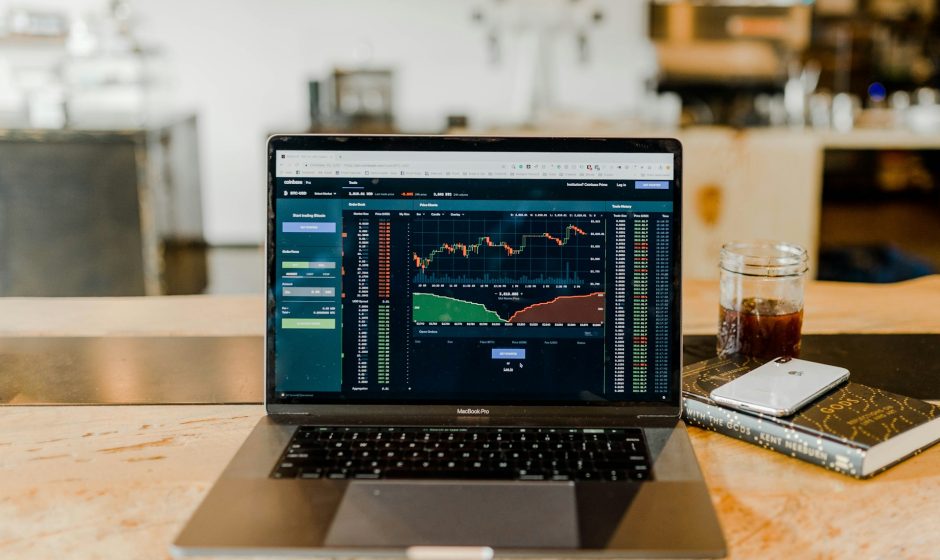

Money trading—usually called currency trading or forex (foreign exchange) trading—means buying one currency while simultaneously selling another, hoping the exchange rate moves in your favor. It can involve legitimate banks, businesses, and traders, but scam operations are also common, especially those promising guaranteed profits, “risk-free” returns, or secret trading systems.
How it works
Currencies are traded in pairs, such as:
- EUR/USD — euro vs. US dollar
- GBP/USD — British pound vs. US dollar
- USD/JPY — US dollar vs. Japanese yen
- USD/INR — US dollar vs. Indian rupee
Suppose EUR/USD is 1.1000. This means €1 is worth $1.10.
If you believe the euro will become more valuable against the dollar, you might buy EUR/USD. If it rises to 1.1100, your position has gained value. If it falls to 1.0900, you’ve lost value.
Where does the money come from?
Unlike buying a company’s stock, currency trading generally doesn’t mean you’re investing in an underlying company. You’re speculating on changes in exchange rates.
Major participants include:
- Banks — exchange currencies for customers and for their own operations.
- Companies — convert money for international trade.
- Governments and central banks — manage reserves and monetary policy.
- Investment funds — trade currencies as part of their strategies.
- Individual traders — speculate on short-term or long-term currency movements.
How traders make or lose money
Imagine you buy $1,000 worth of euros when:
€1 = $1.10
Later:
€1 = $1.15
The euro has strengthened against the dollar, so your euros are worth more dollars.
But if the exchange rate instead falls to:
€1 = $1.05
your position loses value.
The basic idea is therefore:
Buy when you expect a currency to rise → sell when you expect it to fall.
You can also take positions that profit when a currency falls, depending on the trading system and product being used.
What is leverage?
Leverage allows a trader to control a larger position with a smaller amount of their own money.
For example, with 10× leverage, $1,000 could potentially control a $10,000 position.
That sounds attractive, but it dramatically increases risk. A relatively small movement in the currency can produce a large gain or a large loss, potentially wiping out your trading capital.
How brokers make money
A currency broker may earn money through:
- Spread — the difference between the buying and selling price.
- Commission — a fee charged for executing trades.
- Overnight financing/swap charges — costs associated with holding certain leveraged positions.
- Other platform or transaction fees, depending on the product.
Why forex scams are dangerous
Be particularly suspicious of anyone claiming:
- “Guaranteed” monthly profits
- No possibility of losing money
- Guaranteed returns of 10–30% every month
- A secret AI/bot that cannot lose
- You must deposit more money to withdraw your profits
- A celebrity or famous trader is personally managing your account
- You need to recruit other people to earn money
- You should send money directly to a person’s personal bank account or cryptocurrency wallet
A legitimate financial market does not guarantee profits. Currency prices can move unexpectedly because of interest rates, inflation, economic data, political events, wars, central-bank decisions, and many other factors.
The important distinction
Currency exchange and currency trading aren’t exactly the same thing.
If you exchange ₹10,000 into dollars because you’re traveling to the United States, you’re primarily exchanging money for practical use.
If you buy and sell currencies repeatedly because you expect their prices to change, you’re trading currencies and taking financial risk.
The simplest way to think about forex is:
You are betting on how the value of one currency will change relative to another, and your profit or loss comes from that price movement.