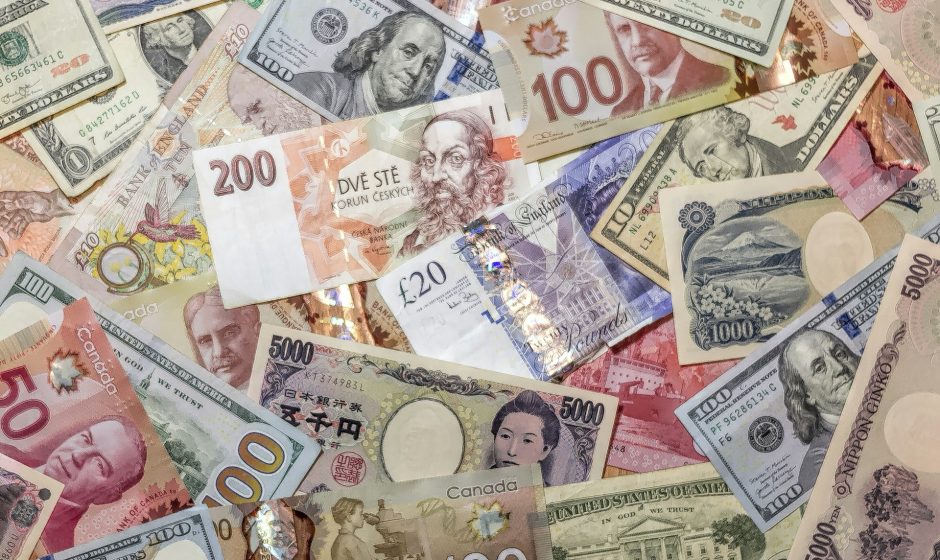

Personal money is money that belongs to an individual rather than to a business, organization, government, or another person. It is the money a person earns, owns, saves, spends, or invests for their own personal needs and goals.
Worldwide meaning
Across the world, the meaning of personal money is generally the same:
- It is owned or controlled by an individual.
- It is used for personal expenses, savings, investments, and financial goals.
- The owner decides how to earn, spend, save, donate, or invest it, subject to the laws of their country.
Although financial laws differ from country to country, the basic concept of personal money is recognized worldwide.
Common sources of personal money
Personal money can come from many sources, including:
- Salary or wages from a job
- Income from self-employment or a business
- Freelance or contract work
- Investment returns (such as dividends, interest, or capital gains)
- Rental income
- Pensions or retirement benefits
- Government benefits or social assistance
- Gifts
- Inheritance
- Royalties from books, music, patents, or other intellectual property
Common uses of personal money
People typically use personal money for:
- Food and groceries
- Housing and rent
- Mortgage payments
- Utilities (electricity, water, internet, etc.)
- Transportation
- Healthcare
- Education
- Clothing
- Entertainment
- Travel
- Savings
- Emergency funds
- Investments
- Insurance
- Charitable donations
Personal money vs. business money
| Personal Money | Business Money |
|---|---|
| Belongs to an individual | Belongs to a business or company |
| Used for personal needs | Used for business operations |
| Managed by the individual | Managed according to business rules and accounting |
| Includes personal income and savings | Includes business revenue, expenses, and profits |
For example:
- Your monthly salary deposited into your personal bank account is personal money.
- Money in a company’s bank account belongs to the company, not to the owner personally.
Personal money vs. family money
- Personal money belongs to one individual.
- Family money may be shared among family members, such as in a joint bank account or household budget.
For example, if you have your own savings account, that is your personal money. If you and your spouse share a joint account, the funds in that account are generally considered shared family money, depending on local laws and agreements.
Personal money vs. public money
- Personal money belongs to private individuals.
- Public money belongs to governments and is collected mainly through taxes and other public revenues to provide public services.
Key characteristics of personal money
Personal money is generally:
- Individually owned
- Personally controlled
- Used for private purposes
- Earned through work, investments, or other lawful means
- Protected by property and financial laws in most countries
- Subject to taxation where required by law
Example
Suppose Emma earns $4,000 per month.
She decides to:
- Spend $2,200 on living expenses.
- Save $800.
- Invest $700.
- Donate $300 to charity.
All $4,000 is her personal money because it belongs to her and she decides how to use it.
Simple definition
Personal money is money that an individual personally owns and controls, which can be earned, saved, spent, invested, or donated according to their own financial needs and goals, within the laws of their country.