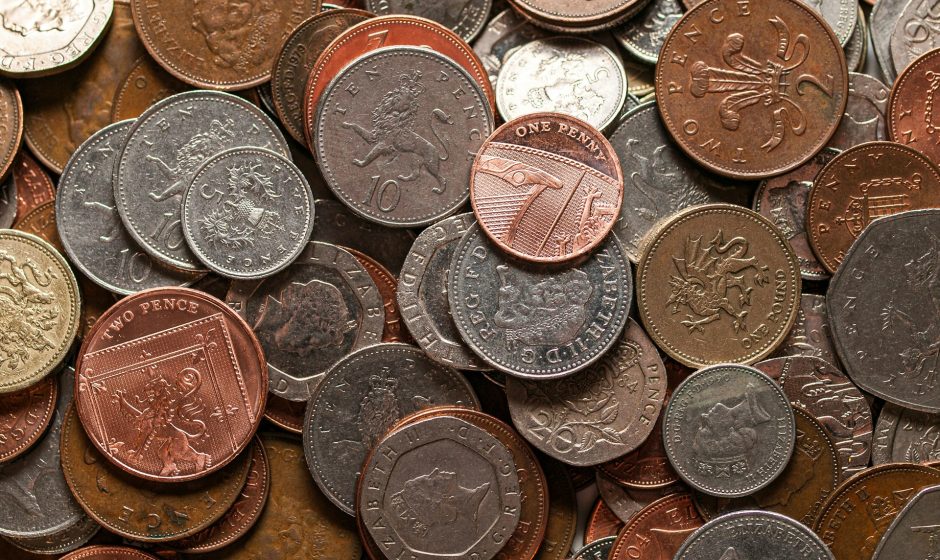

The official currency of the United Kingdom is the Pound Sterling (£), also known by its international currency code GBP. It is divided into 100 pence (p). (Bank of England)
Current circulating coins
- 1p
- 2p
- 5p
- 10p
- 20p
- 50p
- £1
- £2
Current Bank of England banknotes
- £5
- £10
- £20
- £50
Scottish and Northern Irish banknotes
Scotland and Northern Ireland issue their own banknotes in the same denominations (£5, £10, £20, £50, and in some cases £100). These are still pounds sterling, not separate currencies. They have different designs but are worth exactly the same as Bank of England notes. (Bank of England)
Historical British denominations (no longer in circulation)
Before decimalisation in 1971, Britain used:
- Farthing (¼d)
- Halfpenny (½d)
- Penny (1d)
- Threepence (3d)
- Sixpence (6d)
- Shilling (1s = 12d)
- Florin (2 shillings)
- Half Crown (2 shillings and 6 pence)
- Crown (5 shillings)
- Guinea (21 shillings, mainly used for pricing luxury goods and auctions)
- Sovereign (a gold coin worth £1)
- Half Sovereign
Today, everyday transactions use only the decimal system:
- 1 pound (£) = 100 pence (p). (Wikipedia)